Taking care of dermatologists so they can take care of their patients, practices
In her outgoing presidential address, Susan C. Taylor, MD, FAAD, emboldened members to keep showing up and delivering extraordinary care.
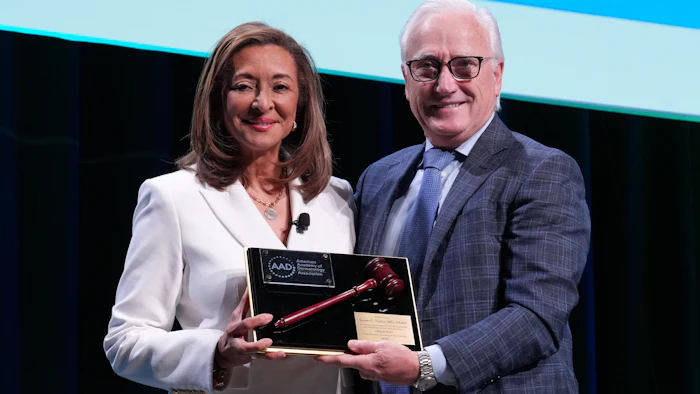
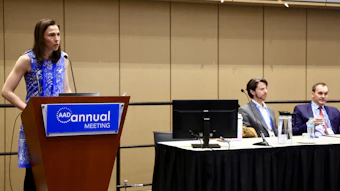
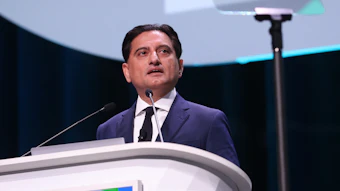
Susan C. Taylor, MD, FAAD, wrapped up her year as AAD president by recounting how “showing up” makes a dramatic impact for the specialty and the Academy.
“When I began this journey as your president, I chose a theme that felt both simple and deeply personal: Taking care of dermatologists so that they can take care of their patients … and their practices,” Dr. Taylor said in Sunday’s plenary.
She shared her work this year for the Academy and its members on five trips to Washington, D.C., and visits to New York, California, and 10 countries, participating in resident forums, leadership meetings, digital spaces, and listening sessions.
Since the 2025 AAD Annual Meeting, she has focused on helping dermatologists fight prior authorizations that delay care, Medicare cuts that strain small practices, regulations that overreach, reimbursement reductions, and administrative burdens.
“Each conversation reinforced something powerful: Advocacy is patient care,” she said.
Her efforts involved bringing awareness to payment reform, pushing back against policies threatening the ability to direct labs, and engaging private payers when proposed rules — such as harmful modifier 25 changes — would unfairly reduce payment for the work dermatologists do every day.
“And I can tell you — when we show up consistently, respectfully, and armed with data, we are heard,” she said.
Besides representing dermatologists on payment reform, Dr. Taylor said the Academy advocated for young physicians and residents, listening and communicating to better understand what could be done clinically, professionally, and financially to help them as they navigate their careers. This included enhanced resident programming and expanded early career resources, forums, and small group discussions.
Pointing to association activities, she reported that DataDerm™ was successfully transitioned to a more modern platform, growing participation by 28%.
“Every data point strengthens advocacy, fuels research, and supports quality improvement. When we invest in tools that reduce reporting burden and amplify outcomes, we again take care of dermatologists — and, by extension, our patients,” she said.
In addition to achievements in domestic advocacy, Dr. Taylor noted that across continents, languages, and health systems there is one unassailable truth: “Dermatologists everywhere want to deliver excellent care without unnecessary barriers.”
“I am deeply proud of what we accomplished, not as individuals but as an Academy united by purpose,” she said.