What’s new — and next — in pediatric dermatology?
From expanded psoriasis therapies to breakthroughs in epidermolysis bullosa, experts will highlight the latest advances shaping care for children and adolescents.
S040 – Hot Topics in Pediatric Dermatology
1-4 p.m. | Sunday, March 29
Mile High 4A
Pediatric dermatology is evolving at a rapid pace, with a deeper understanding of inflammatory pathways, more therapeutic options, and growing attention to rare genetic and systemic conditions. For physicians caring for children and adolescents, staying current means balancing innovation with practical, patient-centered care.
Those themes will anchor today’s session, S040 – Hot Topics in Pediatric Dermatology.
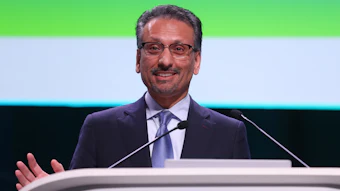
“There is so much happening in the world of pediatric dermatology, and our symposium will show the ‘hot changes’ in our knowledge and our evolving therapies for both common and rare conditions,” said session director Lawrence F. Eichenfield, MD, FAAD, who is chief of pediatric and adolescent dermatology at Rady Children’s Hospital in San Diego.
 Lawrence F. Eichenfield, MD, FAAD
“Some patients will need short periods of intensive therapy, and others will require sustained control over many years,” he said.
Dr. Eichenfield emphasized that several newer therapeutic options are available to treat children and adolescents, including new topical medications, biologic agents, and a recently approved oral peptide that targets cytokines in a manner similar to biologics.
“Expanded treatment options allow physicians to move beyond the rigidity of a stepwise approach in managing psoriasis to a more patient-centered method that can utilize topical or systemic agents in accordance to disease presentation, severity, and extent, and the life experience of the patient and family,” he said.
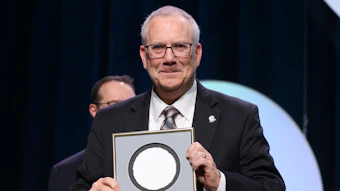
 Amy S. Paller, MD, FAAD
“There is great excitement among families with EB, and especially with dystrophic EB, that there are now three FDA-approved medications for treating disease,” said Dr. Paller, who is chair of dermatology and a professor of pediatrics at Northwestern University’s Feinberg School of Medicine in Chicago.
The availability of gene-corrected skin for grafting, Dr. Paller said, presents “an opportunity for the first time for cure at the grafted areas, and that is very exciting for patients.” She did acknowledge, however, the complexity and cost of such interventions.
 Heather Gochnauer, MD, FAAD
“If one of my teenagers with a rash is also having trouble raising her arm to do her hair, that should raise suspicion for a systemic condition,” Dr. Gochnauer said.
“One of my favorite things about pediatric subspecialties is that we are all friends,” Dr. Gochnauer added. “Caring for patients with rheum-derm conditions is truly a team effort. Pediatric dermatologists work collaboratively with rheumatologists, physical therapists, and social workers to care holistically for patients.”
 Dawn Eichenfield, MD, PhD, FAAD
“Management of pediatric inflammatory skin diseases — from atopic dermatitis to acne — has shifted from a uniform, stepwise approach to a more personalized, age- and severity-based strategy,” Dr. Eichenfield said. “Physicians increasingly recognize biologic and clinical heterogeneity, with differences in immune pathways, skin barrier function, hormonal influences, and psychosocial impact across developmental stages.”
 Andrea L. Zaenglein, MD, FAAD
“Our journal publishes across this spectrum, answering the questions that matter most to our specialty and our patients,” Dr. Zaenglein said, noting that the session will highlight research that guides both common and rare disease management.