Nailing the skills
Fundamental techniques and procedures that can build expertise in nail procedures.
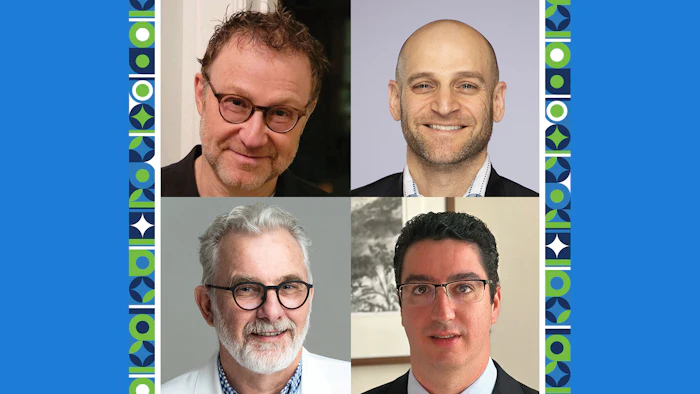
F053 – Nail Surgery: The Small Procedures to the Nail Apparatus That Frighten You
1-3 p.m. | Sunday, March 29
Room 301
It’s all about the basics when boosting clinician confidence and competency in nail pathology, an area often overlooked despite its complexity and frequency in outpatient dermatology settings.
Even simple nail pathology diagnoses and treatments, from administering nail anesthesia to bed and matrix biopsies, can undermine the self-assurance dermatologists display in other areas if a physician has limited expertise. Building back confidence in nail surgery is the aim of Sunday’s session, F053 – Nail Surgery: The Small Procedures to the Nail Apparatus That Frighten You.
Through emphasizing foundational surgical approaches, pain management strategies, and techniques for preventing complications, the session will bring together a panel of dermatologists who all suggest the same tip: Lean into your early training.
“Confidence in procedures, as with so much of medicine (and life), revolves around repetition,” said Kendall Billick, MD, FAAD, an assistant dermatology professor at the University of Toronto in Canada. “If there is interest in helping this neglected group of patients, then see them, take care of them! This repetition, along with educational sessions such as ours and the Hands-On: Nail Surgery sessions, are invaluable.”
Step up and lean in
Dr. Billick reminds colleagues that knowing the correct surgical approach to treatment begins with an accurate differential diagnosis. This takes knowledge, experience, and a special interest in onychology, which then informs the necessary surgery, he said. The right surgical approach also depends on the resources available to the surgeon.
“Is there a pathologist available and interested in nail specimens? If so, are they more comfortable with some specimens more than others, such as excisions and Mohs?” Dr. Billick asked.
Panelist Nathaniel J. Jellinek, MD, FAAD, echoes that sentiment. Dr. Jellinek, an assistant clinical professor of dermatology at Brown University’s Warren Alpert Medical School in Providence, Rhode Island, emphasized that successful nail surgery begins with a strong understanding of nail anatomy and pathology. Determining the correct surgical approach depends heavily on recognizing disease presentation and knowing which structures require sampling.
“For example, longitudinal melanonychia is almost always diagnosed by biopsy of the nail matrix, whereas longitudinal erythronychia depends on both matrix and bed sampling,” Dr. Jellinek said. “Confidence is based, therefore, on comprehensive understanding of nail anatomy and physiology as well as comfort with a variety of procedures, nail anesthesia, dressings, wound care, etc.”
Tips for success
Building confidence comes from performing common outpatient nail procedures, Dr. Billick said, including:
- Drainage of subungual collections of fungus in nail infections or draining blood after an acute injury causing subungual bleeding
- Excision of a matrix of longitudinal melanonychia to diagnose melanoma
- Excision of a total nail unit to treat nail malignancies, such as melanoma, with possible skin graft afterward
- Chemical matricectomy for ingrown toenails
- Cryosurgery for certain forms of myxoid pseudocyst
- Lateral longitudinal excision to diagnose Bowen/SCC
- Bleomycin treatment for periungual warts
Even the skills physicians develop from performing day-to-day dermatologic procedures can build experience and confidence in nail procedures, said
Dr. Jellinek.
“There is significant overlap with more routine dermatology procedures, including tangential (shave) and punch techniques,” Dr. Jellinek said. “However, the approach, access, exposure, anesthesia, wound care, and dressings are all modified and unique to the nail apparatus.”
Risk reduction
Equally important is knowing the potential risks of surgery and how to manage them, said session speaker Bertrand Richert, MD, PhD, IFAAD, a professor of dermatology at Université Libre de Bruxelles in Belgium.
“It is essential to prevent complications by knowing the patient’s medical history, current treatments, and sensitivity to pain, just as one would do in skin surgery,” Dr. Richert said. “The most common complications are those observed in skin surgery: hemorrhage, infection, necrosis, implantation cysts, etc. There are a few complications specific to the nail apparatus: lateral deviation, spicules, anterior ingrowth, etc. These can be avoided with a good knowledge of surgical techniques and postoperative follow-up for at least six months.”
Dr. Jellinek offered additional care tips.
“Elevation and immobilization are critical aspects to prevent pain,” he said. “In addition, the use of long-acting anesthetics and education on wound care/pain control can maximize tolerability after nail procedures.”
Similarly, Dr. Billick underscored the importance of acquiring an accurate patient history, including whether they take blood thinners or anti-platelet drugs, use herbal/alternative medicines and supplements (all these can impact bleeding risk), and whether they smoke or vape, which impacts healing and infection risk.
Find out if the patient will likely follow wound care instructions and attend follow-up visits, Dr. Billick said, and remember to get a signed, informed consent prior to surgery “to set expectations and minimize miscommunication.”
Patient sensitivity
Finally, instilling confidence in your patient is also important, said session speaker Nilton Gioia Di Chiacchio, MD, PhD, a dermatologist at Hospital do Servidor Público Municipal de São Paulo in Brazil. Nail surgery can be a frightening experience for both children and adults. One of the keys to keeping the patient calm is pain management.
“The knowledge of pain management before, during, and after a nail surgery — along with the principles of wound care — will give us not only credibility in front of our patients but reduce postoperative complications and make the healing time less stressful for patients,” he said. “Additionally, make sure to create a calm and relaxing atmosphere before nail surgery and avoid triggers that can cause pain. Ensure the correct anesthesia for each type of nail surgery and explain to the patient how to deal with the wound, depending on the type of surgery.”
The session will also include speaker Julia O’Brien Baltz, MD, FAAD.