A range of emotions, variables
Pigmentary disorders are a potpourri of complexities.
Pigmentary disorders represent one of the most intricate and emotionally impactful areas of dermatologic care. From diagnosis to disease management, a wide spectrum of pigmentary conditions can challenge even the most seasoned physicians.
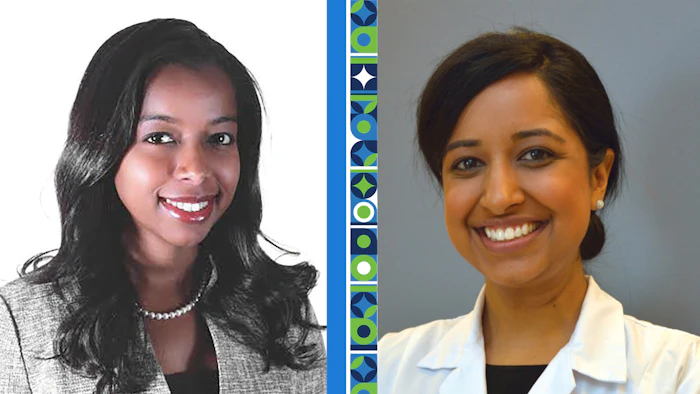
Yesterday’s session, U028 – Pigmentary Potpourri: How to Evaluate, Diagnose, and Treat Pigmentary Conditions, brought forward expert perspectives from two dermatologists who guided attendees through the evaluation and necessary tools to manage both common and uncommon pigmentary conditions. The session also evaluated multimodal therapeutic approaches to these varied conditions and the impact of a patient’s skin type.
“Pigmentary disorders are extremely common in clinical practice and span a broad differential. These conditions can be inflammatory, genetic, infectious, medication-related, or systemic in origin and often carry significant psychosocial burden,” said session presenter Nada Elbuluk, MD, MSc, FAAD, a professor of clinical dermatology at the University of Southern California in Los Angeles and president of the Skin of Color Society.
Dr. Elbuluk identified types of pigmentary conditions that dermatologists are more likely to see, including:
- Hyperpigmentation, e.g., melasma, post-inflammatory hyperpigmentation, lichen planus pigmentosus, erythema dyschromicum perstans, drug-induced pigmentation, ochronosis
- Hypopigmentation, e.g., pityriasis alba, progressive macular hypomelanosis, post-inflammatory hypopigmentation
- Depigmentation, e.g., vitiligo
- Mixed dyschromias
Tracking with theory and tools
To effectively diagnose and distinguish between pigmentary conditions using a variety of tools, Dr. Elbuluk said to begin with an accurate diagnosis. That requires a structured approach: obtain an accurate history (e.g., onset, triggers, inflammation, medication exposures, procedures, pregnancy or hormonal factors) and define the morphology and distribution of the condition, which can involve the use of bedside tools like Wood’s lamp, dermoscopy, and photography for monitoring. In select cases, Dr. Elbuluk said biopsy is required to confirm diagnosis.
“Pigmentary conditions can present in common and uncommon ways and should be approached systematically,” she said. “This includes recognizing patterns, doing an appropriate diagnostic workup with the right tools, and treating the patient with a combination approach that supports disease stabilization and treatment.”
The roots of pigmentary disorders represent many variables, and treatment relies heavily on knowing all the facts, said session presenter Neelam Vashi, MD, FAAD, a dermatologist with the Dermatology Institute of Boston University School of Medicine in Massachusetts.
“Effective treatment starts with making the right diagnosis and making sure other conditions are ruled out,” Dr. Vashi said.
Pigmentary disorders should be evaluated based on pattern, depth, and underlying triggers, said Dr. Vashi. Although common conditions may be driven by ultraviolet or visible light, hormonal shifts, or inflammation, rarer disorders — such as Riehl’s dermatosis or exogenous ochronosis — often stem from inflammatory or contact exposures, she said. Certain dermal pigment conditions, such as nevus of Ota, require distinct management strategies from epidermal hyperpigmentation.
Dr. Elbuluk suggested a three-pillar management approach:
- Diligent photoprotection, including visible-light protection
- Topical or systemic therapies, selected based on condition and severity
- Adjunctive procedures, such as chemical peels or lasers, that are used cautiously depending on skin type and disease stability
Multimodal matters
Drs. Vashi and Elbuluk said treatment success hinges on a multimodal
approach, combining several strategies tailored to the disorder’s type and depth.
Dr. Elbuluk also said that reducing inflammation and minimizing triggers are often as critical as treating the pigment itself.
Similarly, Dr. Vashi emphasized long-term maintenance, careful sequencing of topical agents, and conservative use of procedural interventions to avoid worsening pigmentation.
“It is just as important to control triggers and use strict sun protection — including protection from visible light — as it is to prescribe medications. Topical lightening agents, retinoids, and barrier-repair or anti-inflammatory creams should be introduced in a thoughtful order, while procedures such as chemical peels, microneedling, or laser and light treatments should be used carefully and matched to the patient’s skin type and the depth of the pigment to reduce the risk of worsening discoloration,” Dr. Vashi said. “Avoiding overly aggressive treatment and focusing on consistent, long-term maintenance are key to achieving good results.”
Healing a heavy heart
One important point both speakers conveyed was the emotional burden of having a pigmentary disorder.
“It’s not just about treating the primary pigmentary condition, it’s also about stabilization of the condition, preventing flares and recurrence, and addressing quality of life,” Dr. Elbuluk said. “I encourage physicians to use objective monitoring, such as standardized photos and consistent lighting when possible, and in research studies, use validated severity scales when applicable. Additionally, it is important to counsel patients early regarding timelines and triggers to improve adherence and treatment success.”