An integrative approach to common dermatologic conditions
Nonconventional therapies combined with traditional treatments can enhance patient outcomes.
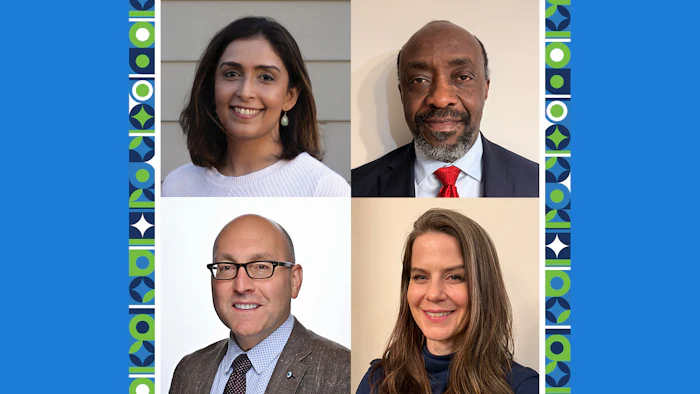
F100 – Integrative Therapies in Dermatology: What Can You Trust and Recommend?
3:30-5:30 p.m. | Monday, March 30
Bluebird 2B
Naturopathic therapies have been around for centuries, and when combined with more modern techniques, integrative dermatology can be a powerful tool in the treatment of many dermatologic conditions. But how can you know what to trust — what works and what doesn’t?
Monday’s session, F100 – Integrative Therapies in Dermatology: What Can You Trust and Recommend?, will answer some of those questions with a scientific look at integrative dermatology as a discipline, how it complements conventional care, and where it fits within contemporary, evidence-based practice.
“We want to focus on the scientific basis behind integrative therapies,” said session co-director Sonal Choudhary, MD, FAAD, an assistant professor in dermatology at the University of Pittsburgh. “While not all approaches have the same depth of evidence, we want to emphasize where data exist, where evidence is emerging, and how to critically evaluate integrative modalities using the same standards dermatologists apply to conventional treatments.”
“It is increasingly important for dermatologists to be familiar with integrative therapies because patients are already using them,” added session co-director Lawrence Chukwudi Nwabudike, MBBS, MD, PhD, FRCP, IFAAD, senior dermatologist at the Nicolae Paulescu National Institute of Diabetes in Bucharest, Romania. “Understanding the evidence, potential benefits, limitations, and safety concerns allows dermatologists to guide patients more effectively, have more informed conversations, and integrate these approaches responsibly when appropriate.”
When to use
Session presenter Peter Lio, MD, FAAD, founder of the Chicago Integrative Eczema Center, said itch and eczema are conditions that can benefit from an integrative approach to treatment. Unconventional treatments, like topical vitamin B12 cream, have been supported by compelling research in recent years.
“Topical vitamin B12 has had two well-run, randomized, vehicle-controlled trials,” Dr. Lio said. “Other treatments [such as coconut oil] have less rigorous evidence, perhaps, but all of them have at least some clinical evidence to consider.”
Dr. Lio echoed Dr. Nwabudike’s sentiment that patients are already using some of these therapies, adding that it is important for dermatologists to educate themselves so they can offer patients direction on proper use.
“Dermatologists who understand these approaches are better positioned to counsel patients accurately, address misconceptions, reduce harm, and integrate safe, evidence-based strategies into comprehensive treatment plans,” he said. “I truly view it as another way to meet patients where they are.”
Hair loss is one of the most common conditions dermatologists see in their day-to-day practice, but there are some unexpected approaches available. Session presenter Apple Bodemer, MD, FAAD, said pumpkin seed oil can be an effective supplement for treating androgenetic alopecia, or even telogen effluvium.
“Pumpkin seed oil is one of several botanical 5-alpha reductase inhibitors, and there are data supporting its use in genetic patterned hair loss,” said Dr. Bodemer, who is clinical associate professor in the department of dermatology at the University of Wisconsin School of Medicine and Public Health. “It is safe, effective, inexpensive, and can easily be included as part of a hair loss treatment plan.”
Because telogen effluvium is associated with stress — both physiological and psychological — Dr. Bodemer said stress relief tools like breathing exercises can be useful in managing the condition.
“Breathwork is a very simple stress management tool that can easily be taught to patients in the clinical setting, and data support its ability to decrease not only cortisol but some of the physiological manifestations of stress, including heart rate and blood pressure,” she said.
Whatever the treatment, Dr. Bodemer said it is important for dermatologists to be knowledgeable about integrative therapies because their patients are demanding more options, and dermatologists are uniquely positioned to take on a leadership role in presenting information on those options accurately and safely.
“[Patients] are bombarded with advertisements and influencers who claim to be experts, peppering them with information day in and day out,” she said. “There is a lot of misinformation out there, and patients look to us to help them understand what is real and what is marketing disguised as ‘expert opinion.’ When we can answer patients’ questions about treatment options outside of the conventional toolbox, it really goes a long way toward building trust and confidence.”
Dr. Lio said that it is critical for dermatologists to take a pragmatic approach to blending new and conventional treatments.
“[Dermatologists have to know] how to evaluate integrative therapies critically, communicate clearly with patients, and apply these tools in a way that complements modern systemic and topical treatments rather than competing with them,” Dr. Lio said. “I truly believe in this integrative approach, bringing the best of both conventional and unconventional medicine together in a coordinated way.”
“The goal is not to replace conventional dermatology,” added Dr. Choudhary, “but to expand the physician’s toolkit in a thoughtful, safe, and patient-centered way.”