DermWorld Meeting News got a glimpse into each speaker’s presentation.
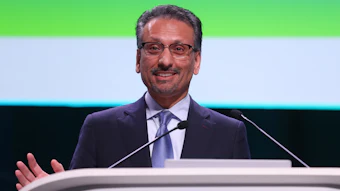
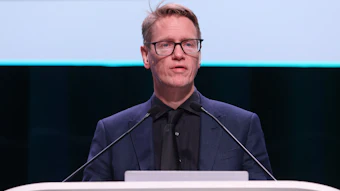
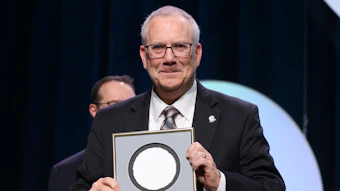
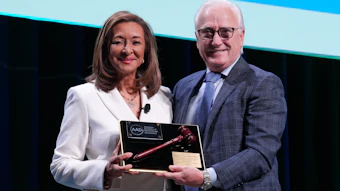
Iltefat H. Hamzavi, MD, FAAD; Paul Nghiem, MD, PhD, FAAD; Johann E. Gudjonsson, MD, PhD, FAAD; and Robert T. Brodell, MD, FAAD
Plenary 9:30 a.m.-noon | Sunday, March 28 Bellco Theatre
Tomorrow’s Plenary session begins with the Annual Business Meeting and continues through the morning with an impressive lineup of dermatology experts and industry leaders. Four individuals will accept awards and give lectures on exciting clinical topics.
DermWorld Meeting News got a glimpse into each speaker’s presentation.
John Kenney Jr., MD, Lifetime Achievement Award and Lectureship
“Running to the Pain: Dermatology Offers Hope and Results”
Iltefat H. Hamzavi, MD, FAAD, senior staff physician at Henry Ford Hospital in Detroit, associate professor at Wayne State University, and physician at Hamzavi Dermatology/Dermatology Specialists
Iltefat H. Hamzavi, MD, FAAD“Our primary focus as physicians is to use our time and skills to solve problems only we can see — whether it is caring and researching diseases that are inadequately treated, improving access to care, or reducing the cost of care. These are not only worthy goals, but they are essential to maintain our profession’s trust. It is a tremendous honor to accept this award; it inspires me to do what I can to advance our profession through service, education, research, and advocacy, just like Dr. Kenney did.”
Lila and Murray Gruber Memorial Cancer Research Award and Lectureship
“How Science Is Delivering Less Toxic, More Effective Merkel Cell Carcinoma Management”
Paul Nghiem, MD, PhD, FAAD, professor and founding chair in the department of dermatology at University of Washington in Seattle, and the George F. Odland Endowed Chair in Dermatology
Paul Nghiem, MD, PhD, FAAD“I will describe how advances in immune biology, radiation oncology, molecular surveillance, and immunotherapy have transformed outcomes for patients with Merkel cell carcinoma. Dermatologists know more about this rare but aggressive skin cancer than any other specialty and can play a leading role in guiding patients through urgent, complex decisions. Receiving this honor reflects the collective efforts of many collaborators across disciplines and institutions and highlights the importance of translating scientific discovery into real-world benefits for patients.”
Marion B. Sulzberger, MD, Research Award and Lectureship
“Anatomic Niches and Immune Convergence: Rethinking Skin Inflammation”
Johann E. Gudjonsson, MD, PhD, FAAD, the Arthur C. Curtis Professor of Skin Molecular Immunology at the University of Michigan, Ann Arbor, and director of the University of Michigan Skin Research Center
Johann E. Gudjonsson, MD, PhD, FAAD“Dermatology is entering a period where molecular profiling technologies are rapidly reshaping how we understand disease. As targeted and pathway-specific therapies expand, a framework based on tissue context and immune circuitry, rather than appearance alone, becomes increasingly important for selecting the right treatment for the right patient. Understanding anatomic niches and immune convergence therefore represents a necessary step toward precision dermatology and rational therapeutic decision-making. Receiving this award is deeply meaningful to me. Dr. Sulzberger helped establish the idea that careful scientific investigation should guide how we care for patients, and that principle has shaped my career.”
Clarence S. Livingood, MD, Award and Lectureship
“Improving Rural Access to Care: Consider the Options”
Robert T. Brodell, MD, FAAD, tenured professor in the departments of dermatology and pathology at the University of Mississippi Medical Center
Robert T. Brodell, MD, FAAD“My hope is to provide evidence demonstrating that access to dermatologic care is a problem in rural U.S. areas, which contributes to increased morbidity and mortality. I will discuss options for improving access and assess which approaches prove to be the most impactful, because now is the time to get involved. I believe Dr. Livingood would be proud of this topic in view of his humble rural upbringing, his decisions to go where he was most needed throughout his career, and his recognition that dermatologists must be devoted to each patient, their students, the science of dermatology, and the needs of the public.”

 Iltefat H. Hamzavi, MD, FAAD
 Paul Nghiem, MD, PhD, FAAD
 Johann E. Gudjonsson, MD, PhD, FAAD
 Robert T. Brodell, MD, FAAD