Measles is back?
New session will break down what dermatologists need to know to prevent and diagnose this infectious disease.
F096 – Measles: Will You Know It When You See It?
3:30-5:30 p.m. | Monday, March 30
Room 301
According to Kathryn Schwarzenberger, MD, FAAD, measles was eradicated from the United States in 2000 after a successful public health campaign in which enough of the population was vaccinated to create herd immunity. That means anyone who has become a doctor in the last 26 years may not have witnessed the measles in person.
Unfortunately, in the last decade, the pendulum has started to swing toward a rise in cases, said Dr. Schwarzenberger, who is professor of dermatology at Oregon Health and Science University in Portland. The biggest triggers of this are an increase in vaccine hesitancy/avoidance and the COVID-19 pandemic, which hindered care for children — some of whom still haven’t caught up.
Measles cases have increased gradually to the point of troubling outbreaks in parts of the country, said Dr. Schwarzenberger.
“If this trend continues, even if you have never seen measles before, you may see it in the near future. It is important that we put this disease ‘back on our radar’ and be prepared to diagnose and manage it when (not if) we see it,” she said.
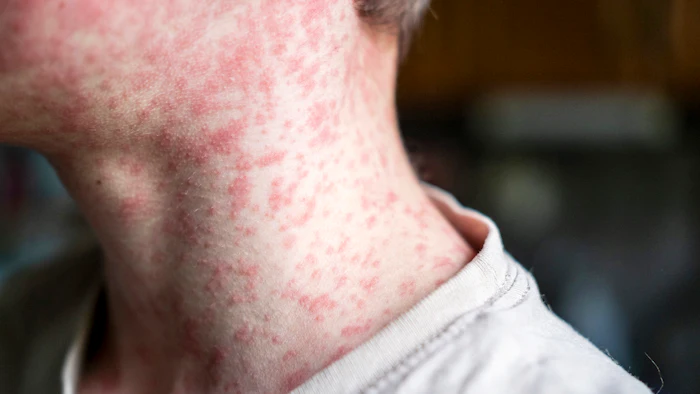
Dr. Schwarzenberger will lead Monday’s session, F096 – Measles: Will You Know It When You See It? She will examine the epidemiology of the highly infectious viral disease, review key clinical manifestations, and present practical approaches to diagnosing, treating, and preventing measles.
“If you are able to attend my forum, I will try to make learning about the measles an entertaining and enlightening (although perhaps not encouraging) experience!” she said.
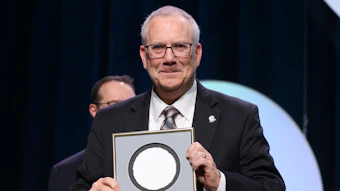
 Kathryn Schwarzenberger, MD, FAAD
Second, it’s up to dermatologists and other physicians to educate patients on the importance of vaccination in preventing communicable diseases that can be feasibly eliminated. In addition, she said people may not understand that measles isn’t necessarily a simple illness to fight.
“It can be difficult to talk about a disease we ourselves may have never seen, but we must be able to tell our patients that measles is not always benign. Measles has many potential complications, and even with the best of care, two or three out of every 1,000 infected persons will die from complications of the disease,” said
Dr. Schwarzenberger.
While adverse effects from a vaccine are always possible, the chance of a severe reaction compared to the actual illness are significantly lower,
Dr. Schwarzenberger said.
“Many of our patients — and their parents — have unfounded fears about vaccination,” she said. “It is important that we listen to them and, as much as possible, help educate them in a nonjudgmental fashion about the realities of measles and other preventable infectious diseases. We may not always succeed, but it helps to know the facts when trying to answer questions and address potential misinformation.”
AAD measles resource center provides latest information
With measles cases in the U.S. continuing to rise, it’s important for dermatologists to have the most up-to-date information to properly care for patients. The AAD’s measles resource center provides tools to help recognize measles, clinical and vaccine information, and more.