Effective, responsible practice growth
Dermatologists embrace the digital era with new strategies for trust, engagement, and online expansion.
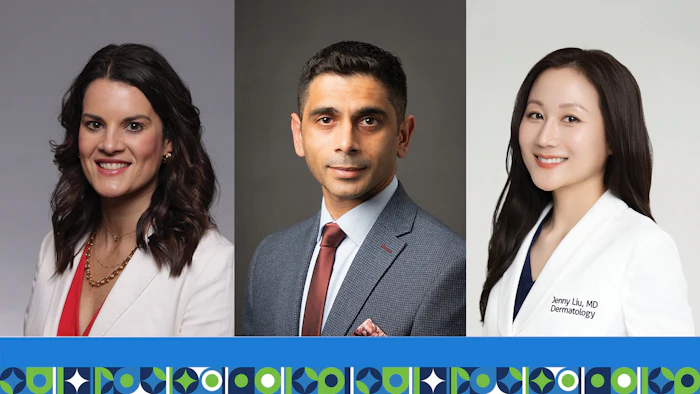
F028 – Dermatology in the Digital Era: Building Trust, Reputation, and Reach
9-11 a.m. | Saturday, March 28
Bluebird 1C
As digital influence continues to reshape patient expectations and health care engagement, dermatologists are taking center stage in adopting tools that strengthen online presence, build trust, and expand professional reach.
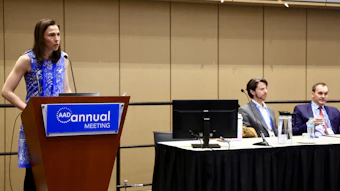
Tomorrow, a panel of digitally savvy experts will guide attendees through online strategies for growing a practice and emphasize the importance of a thoughtful, ethical approach in the session, F028 – Dermatology in the Digital Era: Building Trust, Reputation, and Reach. Kara Jilek, AAD senior manager of social media, is among the panelists sharing tips for managing a digital footprint with an eye toward professionalism, compliance, and authenticity.
“Dermatology practices can use social media not only to market their services but also to educate patients and reinforce the value of seeing a board-certified dermatologist,” Jilek said. “The most effective accounts consistently position themselves as the experts by sharing evidence-based information, answering common patient questions, and addressing misinformation circulating online. Simple steps like identifying yourself as a board-certified dermatologist and sharing practical skin health information can go a long way in building trust.”
Content considerations
Speakers will discuss everything from viral visibility and data-driven marketing to AAD’s professional standards and actionable strategies to thrive in the digital age.
“We’re incredibly fortunate to have an impressive lineup of speakers for this session, all of whom have made a significant and positive impact in the realm of dermatology online,” said session director Tejesh Patel, MD, FAAD, a professor of dermatology at The University of Tennessee Health Science Center in Memphis. “These experts have developed effective strategies for managing online reputation, engaging with the public and their patients through social media, and enhancing the visibility of dermatology as a specialty. Their experiences and insights will be invaluable for anyone looking to build upon or improve their digital presence in today’s increasingly online health care landscape.”
According to Dr. Patel, patient reviews and a physician’s digital reputation heavily influence practice growth — often before a patient ever walks through the door. He emphasized the importance of professional, empathetic, and HIPAA‑compliant responses to all patient feedback, especially negative reviews.
“Offering a solution [when receiving a negative review] or asking the patient to contact the office directly, can demonstrate commitment to the patient’s care and their satisfaction,” Dr. Patel said. “Conversely, positive reviews can be shared as testimonials in marketing materials, social media posts, and website content, helping to build public trust.”
Dr. Patel encourages dermatologists to avoid being defensive when acknowledging patient concerns. He also highlighted the value of actively participating in dermatology’s online community, saying that professional engagement on social platforms helps showcase expertise and fosters meaningful dialogue both with peers and the public.
Digital marketing as a core practice strategy
During the session, panelist Jenny Jing Liu, MD, FAAD, will offer tips for creating a strategic framework to optimize social media and digital marketing. Dr. Liu, who is a dermatologist with Bellevue Dermatology in Bellevue, Washington, and an adjunct professor at the University of Minnesota Department of Dermatology in Minneapolis, likened social strategy to a dermatologic treatment plan.
“Start with a clear diagnosis and goal, then choose the right tools and monitor response. For practices, that means defining whether your priority is patient education, filling specific service lines, or building awareness in your local community and then building simple content pillars around that — acne, skin cancer, hair loss, aesthetics, or practice culture,” she said. “I also always recommend focusing on one or two core platforms you can show up on consistently, instead of trying to be everywhere and burning out.”
Although follower counts and impressions help measure awareness, Dr. Liu emphasized that engagement and conversion metrics — such as saved posts, direct messages, and clicks leading to appointment bookings — are far more meaningful for assessing digital impact.
Ethical engagement remains foundational
It’s important to resist the temptation to give into the “there are no boundaries” mindset of social media, each of the session speakers noted. Maintaining professionalism and patient privacy in all online interactions is critical, they said. Be authentic and avoid engaging in viral trends that don’t reflect the practice’s clinical judgment or personality, Jilek added.
“Authenticity is one of the strongest drivers of trust on social media. Patients respond best when dermatologists communicate clearly and use an approachable tone while maintaining professional standards,” Jilek said. “Content does not need to be (and, in fact, should not be) overly polished. Sharing clinical insights, prevention tips, and evidence-based explanations helps patients understand when and why to seek care from a board-certified dermatologist.”
For practical social media tips, Jilek directs dermatologists to the AAD’s Social Media Toolkit, which provides ready-to-use guidance and content ideas that help members deliver consistent messaging that reinforces dermatologists as the experts in skin, hair, and nails. Members can gain access to handy social media resources, network, contribute content, and participate in filming opportunities, she said.
“These tools make it easier for members to create credible content while elevating the specialty and combating misinformation online,” Jilek said.
Speakers will also emphasize the importance of maintaining respect during disagreements with colleagues or other specialties. To support dermatologists, Jilek said the AAD provides guidance that helps ensure accuracy, ethics, and compliance across digital communication — turning social media into an extension of patient education rather than a risk.
Key lessons from experts
The overarching message is clear: A strong digital presence must be rooted in trust, professionalism, and ethical engagement. Sustainable visibility and growth come not from quick trends but from consistent, responsible communication and meaningful patient education.
“Social media is here and a big part of everyone’s lives,” Dr. Liu said. “You don't have to agree with it, use it, or like it, but know about it and acknowledge its importance, as your patients are on there and will be asking you about content they see.”
The session will also feature presentations by Zain Husain, MD, FAAD; Hope T. Mitchell, MD, FAAD; Sandra Siew Pin Lee, MD, FAAD; and Samantha Rose Ellis, MD, FAAD.