A trove of surgical pearls
The AAD Annual Meeting is the perfect place to brush up on new ways to promote patient safety and reinforce practice optimization.
S015 – Dermatologic Surgery Pearls: Optimizing Safety, Satisfaction, Efficiency
1-4 p.m. | Friday, March 27
Mile High 2C
Dermatologic surgeons from across the globe will convene this afternoon to provide experiential tips and advice to their colleagues. Kishwer S. Nehal, MD, FAAD, will lead the practice management symposium, S015 – Dermatologic Surgery Pearls: Optimizing Safety, Satisfaction, Efficiency.
The purpose of the panel is to provide fresh perspectives that can improve patient safety, optimize physician productivity, and enhance the dermatologic experience across the range of surgery settings.
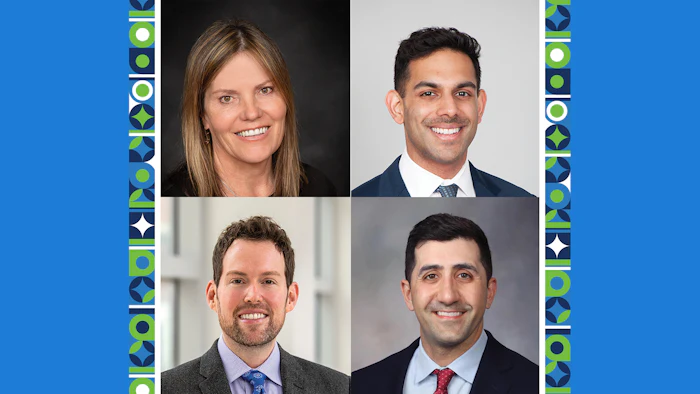
For example, panelist Elizabeth M. Billingsley, MD, FAAD, FACMS, will share recommendations for performing nail biopsies, a procedure that physicians may not get significant experience with during residency.
Pearl: In nail surgery, it is important to minimize pain. One way to do this is using ropivacaine — a local anesthesia that works quickly and lasts longer. Certain injection techniques and infiltrating the anesthetic very slowly help lessen discomfort.
“It is rewarding to see dermatologists become more comfortable with performing nail biopsies and how much it benefits our patients,” said Dr. Billingsley, who is a Mohs surgeon and professor of dermatology at Penn State Health and Penn State College of Medicine in Hershey.
Kishan M. Shah, MD, FAAD, FACMS, will provide input on surgical instruments, specifically what to consider when preparing to purchase new instruments and innovative uses for common instruments. Dr. Shah, who is a Mohs micrographic surgeon at Epiphany Dermatology in Colorado, said he enjoys getting (and giving) recommendations for overcoming obstacles and making surgery more efficient.
Pearl: The chalazion clamp is frequently utilized for procedures on the lip, but it is also a great tool when operating on the eyelid. The clamp helps to isolate the surgical site, such as the conjunctiva, while preserving enough space to move around.
“Another tool I like is the beaver blade, which is very useful for removing Mohs layers or lesions near the external auditory canal,” Dr. Shah said.
David R. Carr, MD, MPH, FAAD, a Mohs surgeon and professor of dermatology at The Ohio State University in Columbus, will focus on technology tools for surgery.
“Most of my experience comes from seeing where technology helps day-to-day in a busy surgical practice, where it creates friction, and what it takes for a tool to be usable,” Dr. Carr said.
Pearl: Prior to adoption, thoroughly evaluate artificial intelligence (AI) tools to understand the clinically relevant outcomes. If these are met, the technical metrics will speak for themselves.
Dr. Carr said the rationale for incorporating technology into practice should be to streamline physician workflow and boost patient outcomes — period.
“Whether it’s AI in pathology or something as simple as communication headsets in the operating room, the most successful tools are the ones that improve efficiency and reduce friction for the team,” he said.
Ramin Fathi, MD, FAAD, is founder and director of Phoenix Surgical Dermatology Group in Arizona. His solution for maintaining a successful, high-volume private practice is to promote processes that are mindful, reliable, and repeatable.
“I’ve focused on building systems that reduce variability, such as standardized preop education, consistent documentation, proactive follow-up, and team-based workflows,” Dr. Fathi said. “The through-line is this: Efficiency is not ‘moving faster,’ but rather it’s reducing preventable friction and rework while improving outcomes.”
A well-groomed preoperative process that addresses patient selection, sets realistic expectations, and reviews the procedure plan is one way to prevent patient confusion or damage control, said Dr. Fathi.
Pearl: Establish standardized documentation and capture high-quality baseline photos. These routine actions can help reduce uncertainty, follow-up messages/visits, and negative experiences. They also serve to protect dermatologists and improve communication and continuity.
Additional session panelists include Cristian Navarrete-Dechent, MD, IFAAD; Patrick K. Lee, MD, FAAD; Emily Newsom, MD, FAAD; Rachel Rigo, MD, FAAD; and Valencia D. Thomas, MD, FAAD, who will share their pearls on photography/biopsy site identification, communication, burnout, risk reduction, ergonomic strategies, and more.