Let’s face it
Teledermatology gains momentum as AI and policy shifts transform skin care delivery.

POH05 – Beyond the Screen: Building Smarter, Safer, and Seamless Teledermatology Practices
10-11 a.m. | Friday, July 17
Sutton North
By most accounts, teledermatology has become a cornerstone of the modern dermatology practice, with new data and physician insights pointing to strong patient demand, improved efficiency, and expanding opportunities fueled by artificial intelligence (AI) and policy changes.
Yet, teledermatology supporters say it’s important to understand how virtual care models reshape patient access and clinical workflows as well as the importance of thoughtful implementation to maintain quality and safety. That discussion serves as the foundation for this morning’s session, POH05 – Beyond the Screen: Building Smarter, Safer, and Seamless Teledermatology Practices. Elizabeth Jones, MD, FAAD, who will lead the session, said she is a big proponent of the technology when used appropriately.
“Teledermatology is a versatile and scalable tool that can be adapted across practice settings and career stages. Whether through synchronous video visits, store-and-forward models, or hybrid approaches, telehealth should be thoughtfully incorporated into modern dermatologic practice,” said Dr. Jones, who is an associate professor of dermatology at Thomas Jefferson University School of Medicine in Philadelphia. “When combined with AI, teledermatology has the potential to reduce documentation burden, improve efficiency, and mitigate burnout. As the field continues to evolve alongside broader digital transformation in medicine, proactive adoption will be essential to optimizing patient care and physician experience.”
High patient satisfaction driven by convenience
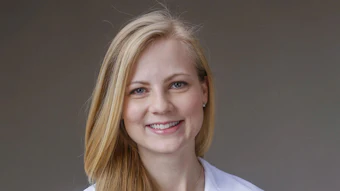
 Elizabeth Jones, MD, FAAD
In addition, teledermatology has proven effective in shortening wait times and improving access, especially in underserved or rural areas where dermatology specialists may be limited.
However, experts note that satisfaction depends on more than just convenience. Metrics now include technology usability, clarity of diagnosis and treatment plans, and patient trust in digital platforms, all of which must be carefully managed to ensure success and determine areas for improved patient satisfaction, she said.
“Areas of lower patient satisfaction are often related to the inherent limitations of the physical examination,” Dr. Jones said. “These can be mitigated through standardized pre-visit instructions, patient education, setting expectations, and thoughtful selection of appropriate use cases for individual practices.”
Expanded access through scalable models
One of the most impactful innovations of teledermatology, Dr. Jones said, is the store-and-forward model, which allows physicians to review patient cases asynchronously. In some health systems, as many as 60% of cases can be resolved without requiring an in-person visit, significantly reducing strain on clinics.
This model is particularly valuable for triage and consultation, enabling faster decision-making and more efficient use of specialist time, she said.
AI integration promises efficiency gains
According to Dr. Jones, AI is poised to further transform teledermatology by reducing administrative burdens and improving clinical efficiency.
AI tools are already being explored for:
- Clinical documentation using AI scribes
- Patient triage and scheduling
- Image quality assessment
- Billing and prior authorization management
By automating routine tasks, these technologies can help physicians focus more on patient care while also addressing a major driver of burnout: documentation overload. But there is a flip side to AI, she cautioned.
“As these technologies evolve, it is essential that dermatologists remain actively involved in leadership and implementation efforts to ensure that patient safety, privacy, and trust remain central to adoption,” Dr. Jones said.
Policy changes support growth
Teledermatology has been bolstered even more thanks to the recent two-year federal extension of telehealth waivers. This represents a meaningful shift away from prior short-term, fragmented policy extensions, Dr. Jones said, providing greater stability in reimbursement and encouraging sustained integration into clinical practice.
“As big-name companies capitalize on the gaps of the current healthcare infrastructure to address the growing patient demand in teledermatology, it is vital that physicians lead the charge on implementation and consideration of AI within care models,” she said.
Not a one-size-fits-all solution
Despite its advantages, Dr. Jones cautioned that teledermatology is not appropriate for all cases. Careful patient selection, clear expectations, and adherence to clinical guidelines remain essential to maintaining quality care.
“Appropriate patient selection remains critical,” she said. “Chronic inflammatory conditions are ideal for teledermatology, whereas full skin examinations, cancer screenings, and evaluation of isolated lesions, particularly without high-quality imaging, are less suitable and often require in-person care.”
More to come?
Dr. Jones reminds colleagues that teledermatology is still in the early stages of growth, with significant potential for expansion and innovation. No doubt, the combination of strong patient demand, advancing AI tools, and improving regulatory support is expected to accelerate adoption, she said.
“How we define teledermatology may change as well,” Dr. Jones said. “Continued engagement, education, and innovation will be essential as the field advances.”