Dermatology, Inc.
This afternoon, learn how an emphasis on balancing medical practice with the business of marketing is reshaping the field.

E001 – Branding and the Business of Dermatology
1-4:45 p.m. | Thursday, July 16
Sutton North
A growing movement within dermatology is urging physicians to think beyond clinical care and embrace branding, marketing, and entrepreneurship as essential components of modern medical practice.
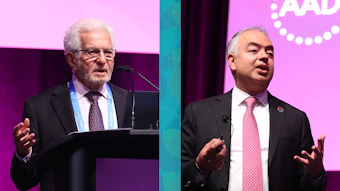
That robust discussion will take place at this afternoon’s session, E001 – Branding and the Business of Dermatology. Terrence A. Cronin Jr., MD, FAAD, will lead a panel of experts to demonstrate how a strong personal and professional identity can help dermatologists stand out in an increasingly competitive and digitally driven health care landscape. To underscore the importance of marketing, Dr. Cronin quoted from the book, A Brand Called You, by Tom Peters.
“Tom wrote, ‘Regardless of age, regardless of position, regardless of the business we happen to be in, all of us need to understand the importance of branding. We are CEOs of our own companies: Me, Inc. To be in business today, our most important job is to be head marketer for the brand called You,’” Dr. Cronin said.
Dermatologists as brands
From logos and visual identity to communication style and reputation, every element contributes to how a practice is recognized and trusted, Dr. Cronin said. Physicians are not just caregivers, he said, they are also leaders of their own professional “enterprises.”
Panelist Cheryl M. Burgess, MD, FAAD, said despite years of rigorous clinical training, many dermatologists enter practice with limited exposure to business principles like marketing, leadership, and product development.
“I would emphasize the importance of viewing your career, especially those who pursue private practice, as both a medical mission and a business enterprise,” said Dr. Burgess, founder, medical director, and president of the Center for Dermatology and Dermatologic Surgery, PC in Washington, D.C. “Building a successful practice requires investing in yourself as a leader, educator, and innovator. Seek mentorship, remain adaptable, continue learning, and be willing to embrace opportunities outside traditional clinical care.”
The power and risk of digital media
Social media has become a powerful marketing tool for dermatologists, helping them reach new patients and educate the public. Fellow panelist and Innovation Academy guest speaker Kaplan Mobray encourages dermatologists to build a strong digital presence.
“Many patients today go straight to Google, social media, or artificial intelligence when they need help for acne treatment, skin cancer screenings, cosmetic treatments, or anti-aging procedures,” said Mobray, who is an acclaimed business speaker. “If your practice isn’t showing up online, patients may choose a competitor who is. A strong digital presence generates awareness, builds trust, boosts referrals, and validates credibility.”
One way to strengthen your brand, he said, is by being known for a niche.
“A particularly effective way to differentiate your brand is to become known for something others don’t do,” Mobray said. “Specializing in a specific area of dermatology makes you memorable and gives others a way to celebrate your work. Owning a specific lane makes you the go-to consideration, not just a choice, which elevates your brand.”
While a powerful online presence has positives, Dr. Cronin urged caution in the use of digital media.
“There are many great things about social media and there are perils too. There isn’t a controlling authority to prevent misinformation, even willful misrepresentation,” Dr. Cronin said. “There are some unusual people, colloquially called ‘trolls,’ who seem to enjoy negative attention. There are many experienced voices on this panel to offer advice on navigating the ‘Wild West’ of social media.”
Like Dr. Cronin, Mobray advises dermatologists to actively monitor and cultivate their brand to create a community of patient advocates who feel comfortable sharing positive responses and reviews.
“Online reputation management is a core component of dermatology branding,” Mobray said. “One unaddressed negative review can cost you more than a year of great marketing. Protecting your reputation is protecting your brand equity.”
Patient experience drives reputation
To underscore his point, Mobray said 84% of consumers rely on personal recommendations when choosing a dermatologist. Therefore, delivering a memorable, high-quality patient experience is critical to building trust and generating favorable referrals. Branding goes far beyond marketing materials; it is shaped by every patient interaction.
“Every appointment is a brand moment that can generate word-of-mouth buzz and create an opportunity to refer a new patient or add more services for existing patients,” Mobray said. “Be memorable not just functional.”
Dr. Burgess agreed.
“Your reputation is your most valuable asset. Every patient interaction, lecture, publication, social media post, and professional relationship contributes to your brand,” she said. “Protect it, nurture it, and allow it to evolve as your career grows.”
Keep your name in the mix
The session will also offer perspectives on the development of dermatology products and leadership within the specialty. The full program includes presentations from Lynn A. Drake, MD, FAAD, and Sandra Siew Pin Lee, MD, FAAD, also known as Dr. Pimple Popper.
“Dermatologists are smart people who could have gone to many other career pathways,” Dr. Cronin said. “We all chose to serve our patients and heal the sick. But in today’s fast-paced culture, it is important that the public knows about our expertise and some of the best methods to communicate that message is through branding.”