Getting a handle on hair disorders
New treatments, old standbys, and a delicate touch help dermatologists guide their patients through these challenging conditions.
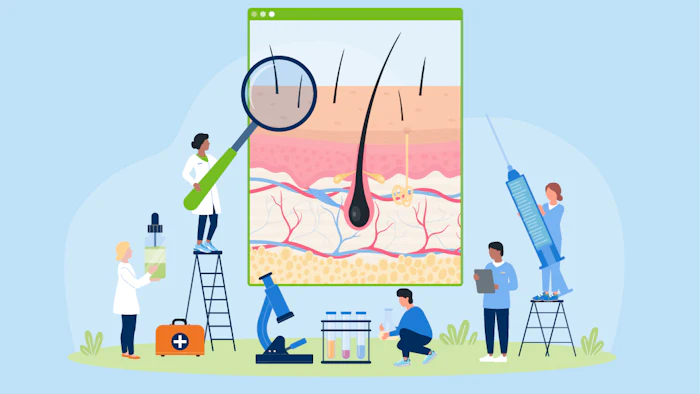
P016 – Managing Hair Disorders
8:45-10:45 a.m. | Sunday, July 19
Mercury Ballroom
Hair disorders are one of the most common concerns dermatologists will see in their careers, not to mention one of the most personal for patients.
“Culturally, hair plays a big role in a person’s identity and self-expression. Therefore, the loss of it can have a huge impact on the individual,” said Carolyn Goh, MD, FAAD, clinical professor of dermatology and director of quality and CareConnect at the UCLA David Geffen School of Medicine. “I’ve had patients say their hair was their one great asset, and now they don’t know what to do if it isn’t as great as it used to be.”
Diagnosing and managing hair loss and scalp disorders with both old and new treatments will be the focus of the Innovation Academy session, P016 – Managing Hair Disorders. Dr. Goh, who serves as session director, said hair loss can often be associated with illness, especially cancer. This association has led to the stigmatization of hair disorders — something dermatologists must be cognizant of when caring for patients with hair loss issues.
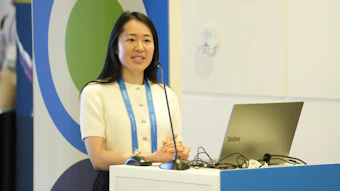
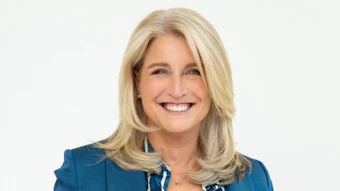
 Carolyn Goh, MD, FAAD
Those practical solutions will be a highlight of the session, with presentations focusing on therapies such as minoxidil, anti-inflammatory drugs, and topical steroids. Dr. Goh said those treatments are just the tip of the iceberg.
“Now we have nonsteroidal options to help with concomitant scalp disorders. These may also help directly with inflammatory types of hair loss, such as scarring alopecias like lichen planopilaris or frontal fibrosing alopecia,” she said. “We also use a lot of ketoconazole shampoo to help with scalp health or over-the-counter anti-dandruff shampoos, including selenium sulfide, zinc pyrithione, and salicylic acid.”
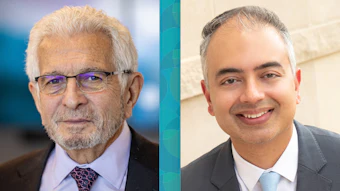
The session will also touch on hair disorders in children, men, and menopausal women. Panelist Cathryn Sibbald, MD, FAAD, a pediatric dermatologist in Toronto, said the most common disorders in children include alopecia areata, androgenetic alopecia, tinea capitis, and telogen effluvium — an acute, stress-induced non-scarring hair loss that is often self-limited and related to medical or psychosocial stressors.
In menopausal women, session presenter Paradi Mirmirani, MD, FAAD, senior dermatologist at the Permanente Group in Northern California, said that time of life is critical in terms of the hair follicle.
“The perimenopausal transition and menopause represent a critical window of vulnerability for the female hair follicle, driven by fluctuating and then declining estrogen levels,” she said. “This disruption may lead to female pattern hair loss, chronic telogen effluvium, frontal fibrosing alopecia, traction alopecia, or scalp dysesthesia. In other words, patients may experience a midlife hair crisis.”
Dr. Mirmirani will discuss treatments and new therapies for those conditions including some that have traditionally been used for male hair loss but have seen off-label success for women in some countries, including finasteride, dutasteride, and spironolactone.
The session will also feature the latest information on treatments for alopecia, including JAK inhibitors and GLP-1 receptor agonists, as well as updates on procedural interventions for hair loss. Dr. Goh said there will be plenty of useful information that dermatologists can take back to their practice and put into effect immediately.
“Hair and scalp disorders seem to be getting more and more common or at least more recognized,” Dr. Goh said. “Working closely with patients to develop appropriate management and treatment plans can be extremely rewarding, and the tools we have to treat hair loss have improved and will continue to improve over time.”