‘I’m ready for my close-up’
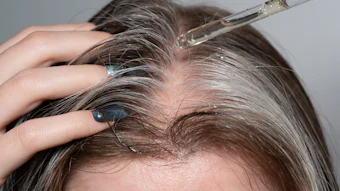
Rising beauty trends that extend well past this infamous Hollywood line are linked to increased skin allergies.

POH16 – Allergens on the Rise: Cosmetics, Medical Devices, and What’s Hot in Contact Dermatitis
7:30-8:30 a.m. | Sunday, July 19
Mercury Ballroom
Dermatologists are sounding the alarm on a growing wave of allergic skin reactions tied to popular beauty and self-care trends, many of which proliferate through social media without adequate safety awareness.
In tomorrow’s new Innovation Academy session, POH16 – Allergens on the Rise: Cosmetics, Medical Devices, and What’s Hot in Contact Dermatitis, Houston dermatologist Megan Rogge, MD, FAAD, will address modern cosmetic habits and their association with allergic contact dermatitis (ACD) cases. Dr. Rogge is an associate professor of dermatology at the University of Texas McGovern Medical School. She’ll speak on a full range of practices and products, from “natural” skin care to at-home manicure kits.
“Skin care trends are pervasive on social media platforms, spreading rapidly with unfounded claims of brighter or clearer skin,” Dr. Rogge said. “Often, a dermatologist is asked about the validity or safety of a trend before having credible resources to guide us.”
Natural doesn’t always mean safe

Ingredients such as castor oil, bakuchiol, and Centella asiatica — found in skin care products that are gaining popularity — have been identified as having allergic potential, Dr. Rogge said. As these products become more widely used, dermatologists expect to see corresponding increases in allergy cases. Similarly, she said, botanicals used in these products may cross-react with existing fragrance allergies, putting some users at even greater risk.
Social media trends add new risks

Dermatologists say the problem is compounded by the speed at which such trends spread online, often outpacing reliable medical guidance.
Chemical concerns

“The most concerning trend is the increasing use of at-home acrylic manicure kits, often marketed to teenagers and children,” Dr. Rogge said. “Studies have shown that these kits do not come with adequate warnings on acrylic monomer sensitization, and at-home application may increase the risk of skin contact with these chemicals before they are properly cured. This exposure increases the risk of sensitization and is a major source of ACD seen in young females.”
Adhesives in medical devices pose challenges
Beyond cosmetics, allergenic reactions are also being reported with acrylates present in some adhesives used in medical devices, she said. Identifying the exact cause can be difficult, as ingredient labeling often lacks transparency.

In some cases, she said, using protective layers such as hydrocolloid dressings beneath adhesive devices may help minimize skin irritation.
Stay alert
The takeaway for physicians is clear: Increased vigilance is needed as beauty and skin care trends evolve. Dermatologists are encouraged to stay informed about emerging products and educate patients on potential risks — especially those associated with viral trends and misleading marketing claims.
Ultimately, experts emphasize that even widely marketed or “clean” products can carry risks, reinforcing the importance of evidence-based guidance in an era shaped by fast-moving online trends.
Follow the clues
Dr. Rogge encouraged dermatologists to be on high alert for allergic potential of commonly used cosmetic products, trends, and medical devices by asking questions and following the clues they observe from talking with their patients. Supply and demand for these products is significant, she said, making it a critical part of practice.
“It is our role as skin experts to identify and highlight these sensitivities,” Dr. Rogge said. “Skin patch testing is a valuable tool in diagnosing and managing ACD, allowing safe alternatives for your patients.”
The session will also feature a presentation, “Beauty Without the Itch: Contact Allergens in Hair and Lash Cosmetics,” by Cory A. Dunnick, MD, FAAD.