Holistic hallmark
Dermatologists are encouraged to take a more comprehensive approach to caring for menopausal women.
Treating female patients in midlife and beyond requires a more comprehensive approach, as menopause affects skin, hair, mucosa, and overall dermatologic health. These visible concerns are often linked to the hormonal shifts that occur during this phase of life, yet dermatology typically treats them as isolated complaints rather than as manifestations of a broader endocrine transition.
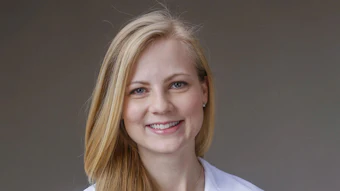
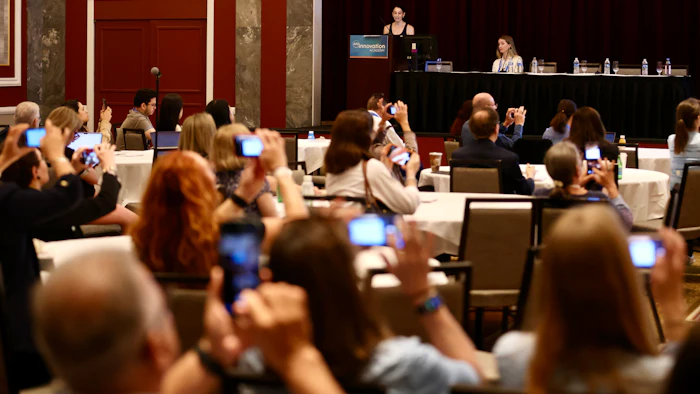
Dermatologist Shoshana Marmon, MD, PhD, FAAD, provided critical insights into challenges and treatment considerations for this phase of life during the July 18 session, POH09 – Menopause and Dermatology: Recognizing and Treating Hormone-Driven Changes.
Dr. Marmon, who is an assistant professor of dermatology at New York Medical College in Valhalla, emphasized that menopause is not simply the end of reproductive function, but a complex hormonal shift with far-reaching effects.
“Menopause is a multisystem hormonal transition with direct relevance to dermatologic care. As ovarian follicular function declines, estradiol falls sharply, progesterone decreases with increasingly anovulatory cycles, and testosterone declines more gradually with age,” Dr. Marmon said. “These shifts may contribute to acne, hirsutism, and female pattern hair loss through relative androgen predominance, while estrogen loss is associated with xerosis, skin thinning, impaired barrier function, flushing, sweating, and vulvovaginal symptoms.”
All-inclusive approach
 Shoshana Marmon, MD, PhD, FAAD
“Improved menopause education helps dermatologists recognize cutaneous complaints as manifestations of a broader hormonal transition rather than isolated problems,” she said. “A patient presenting with hair loss may also have flushing, night sweats, sleep disruption, resurgent acne, vaginal dryness, dyspareunia, and/or low libido. Incorporating menopausal status into the dermatologic history helps dermatologists manage relevant skin and hair concerns and refer appropriately.”
Impact on chronic skin conditions
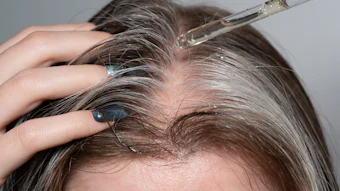
Dr. Marmon told attendees that menopause may also influence the course of several dermatologic diseases. Research shows that hair loss conditions, such as frontal fibrosing alopecia and female pattern hair loss, are particularly linked to the postmenopausal period.
Other conditions show mixed patterns:
- Psoriasis may persist or worsen, though data are limited
- Rosacea may improve after menopause
- Hidradenitis suppurativa shows inconsistent responses, with limited data
Dr. Marmon cautioned that more research is needed to fully understand these relationships.
Hormone therapy: Promise and uncertainty
Dermatologists continue to assess the impact of menopausal hormone therapy (MHT) on skin conditions, Dr. Marmon said.
“Several studies have linked MHT to an increased risk of frontal fibrosing alopecia or rosacea, while its effect on other dermatoses is less clear,” she said.
Additionally, Dr. Marmon said menopause-targeted marketing and social media have dramatically increased interest in estrogen and MHT for skin aging, including over-the-counter and compounded “anti-aging” hormone creams marketed directly to consumers.
Unfortunately, research on topical estrogen for skin aging is largely drawn from small, uncontrolled, short-term, heterogeneous studies making it difficult to generate firm conclusions about safety and efficacy, she said. Although some studies suggest that topical estrogen may improve characteristics such as hydration, elasticity, and collagen levels, Dr. Marmon said the overall evidence remains limited and inconsistent.
“Clinically meaningful outcomes, such as visible facial wrinkling and firmness, are less convincing. More high-quality randomized trials are needed to compare topical estrogen with standard anti-aging therapies, such as retinoids, and to evaluate safety with appropriate monitoring,” Dr. Marmon said, adding that this is an area where marketing has significantly outpaced the available evidence.
Overlooked symptoms
According to Dr. Marmon, one common but often overlooked condition is genitourinary syndrome of menopause (GSM), formerly known as vulvovaginal atrophy. GSM reflects the low-estrogen changes of menopause and may cause dryness, burning, dyspareunia, urinary symptoms, and pale, fragile mucosa. Yet, despite its high prevalence, it is frequently underrecognized and undertreated, she said.
“Low-dose vaginal estrogen is the best studied and most effective treatment for GSM, but it remains significantly underutilized and underprescribed,” she said. “It is important to ask patients about vulvovaginal symptoms because many will not raise them during a dermatology visit. In postmenopausal women, GSM and lichen sclerosus are two key considerations.”
Lichen sclerosus is less prevalent but is an important chronic inflammatory dermatosis marked by pruritus, fissuring, and scarring, Dr. Marmon said. It is treated primarily with high-potency topical corticosteroids.
A call for education and awareness
Dr. Marmon concluded the session by emphasizing that menopause education is increasingly important to dermatologic care.
“Because many patients do not volunteer menopause-related symptoms, even when they meaningfully affect quality of life, dermatologists can play an important role by asking targeted questions and guiding patients toward evidence-based treatment or referral,” she said, reiterating that recognizing menopause as a multisystem hormonal transition within the dermatology visit is essential to better clinical care.